Villarreal Looks to Bounce Back in La Liga: Latest Developments and Tactical Outlook
Villarreal Looks to Bounce Back in La Liga: Latest Developments and Tactical Outlook
Fans tracking the Yellow Submarine’s campaign are facing mounting uncertainty. Inconsistent results, shifting tactical setups, and relentless competition across Spain’s top flight have turned every weekend fixture into a high-pressure environment. If you are trying to determine whether the squad can reverse its current trajectory without losing momentum, the latest developments point to a critical juncture in the season. The management has made visible adjustments to training methodologies and selection criteria, yet the true test lies in translating those changes into consistent point accumulation.
The central challenge right now is straightforward: Villarreal needs reliable execution against mid-table opponents while maintaining resilience against the league’s traditional heavyweights. Scouting reports and internal performance metrics suggest the infrastructure is in place, but conversion rates in the final third remain below seasonal projections. Until those figures stabilize, any discussion about a sustained rebound will depend entirely on near-term fixture outcomes and personnel availability.
Immediate Context and Current Form
The most pressing factor influencing Villarreal’s trajectory is possession control in transitional phases. Recent match footage indicates a deliberate shift toward compact defensive structures combined with rapid vertical passes through the middle channels. This approach reduces vulnerability to counterattacks but demands precise timing from midfield operators. When the rhythm holds, chance creation improves significantly. When execution fractures, the team falls into predictable patterns that opposing defenses exploit within minutes.
Injury management has also shaped recent lineup decisions. The medical staff has rotated heavily between high-intensity training blocks and recovery protocols, which explains the frequent personnel changes observed during competitive windows. Coaches prioritize fitness thresholds over reputation, meaning emerging academy players and returning veterans share responsibility in shaping the starting eleven. This rotation model protects long-term sustainability but requires immediate adaptation from anyone stepping onto the pitch for the first time in weeks.
Table below summarizes the operational parameters currently driving squad selection and tactical preparation:
| Parameter | Current Status | Impact on Match Preparation |
|---|---|---|
| Midfield Pressing Intensity | Elevated but controlled | Reduces opponent build-up time, increases transition frequency |
| Wing Play Conversion | Below target efficiency | Forces reliance on central combinations, alters attacking distribution |
| Squad Rotation Rate | High due to load management | Requires rapid tactical assimilation for rotational picks |
| Set Piece Execution | Structured variation active | Provides alternative scoring pathway when open-play chances are limited |
These operational shifts are not cosmetic. They reflect a calculated response to league-wide trends where physicality and spatial compression dominate possession battles. Villarreal’s technical coaching staff has adjusted passing networks to account for tighter marking schemes, particularly in the half-spaces. The objective is clear: generate higher-quality chances without sacrificing structural integrity under sustained pressure.
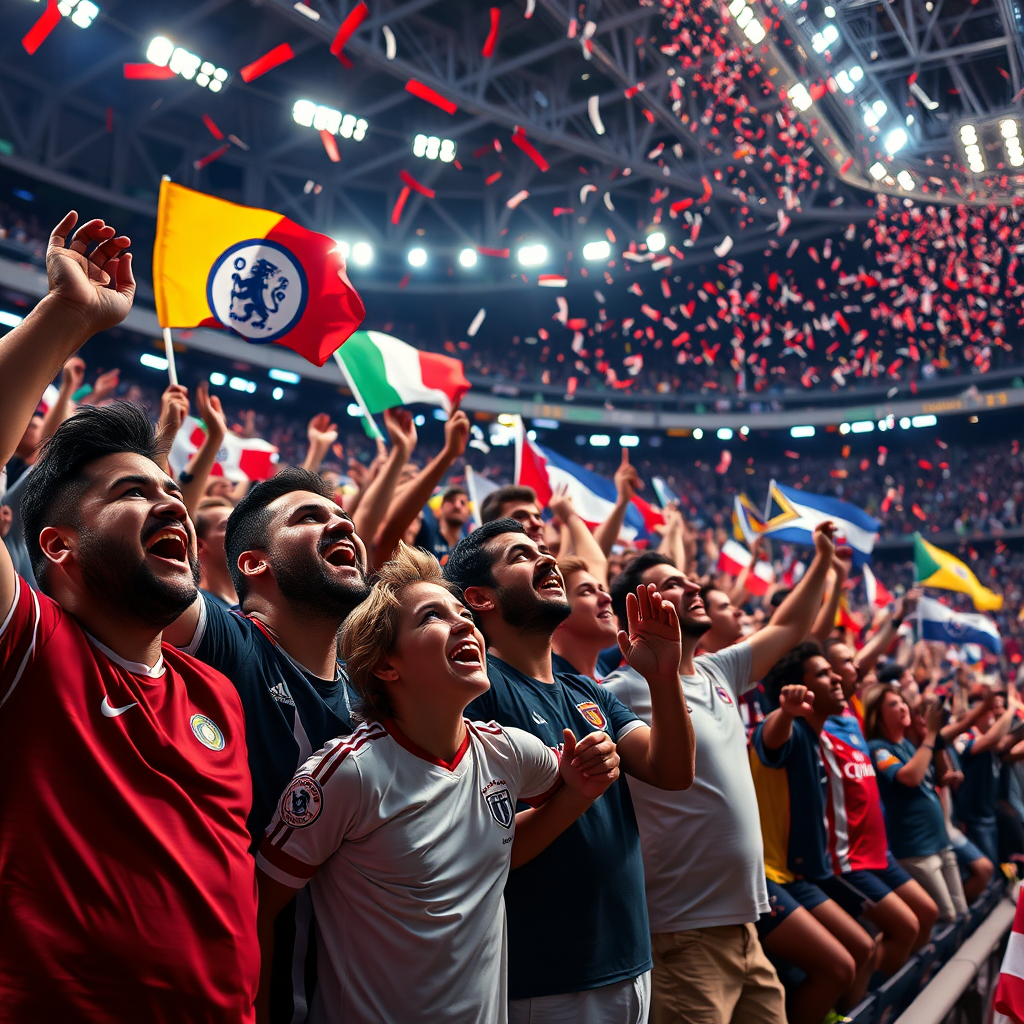 Hình minh hoạ: https://wmanclub.co/
Recent Developments and Fixture Pressure
The timeline leading to this moment reveals a pattern of adjustment rather than panic. Early-season performances established a baseline of cautious progression, followed by mid-cycle fixtures that exposed gaps in finishing consistency. Rather than imposing rigid formations, the technical directorate opted for flexible phase-based instructions. Players receive positional freedom within defined zones, allowing them to react dynamically to opponent movements. This methodology demands high football intelligence and continuous communication, traits that develop fastest through repeated competitive exposure.
Upcoming matches present a mixed calendar. Teams playing with compact low blocks will test Villarreal’s ability to break down organized defenses, while higher-line opponents may expose vulnerabilities if transition defense slips. Travel logistics and scheduling density further complicate preparation windows. The coaching staff responds by emphasizing video analysis sessions focused on specific opponent tendencies rather than broad systemic overhauls. Each training block targets actionable improvements aligned with the next seven-day window.
For comprehensive breakdowns of player performance data and historical comparison charts, readers can refer to https://wmanclub.co/. These resources contextualize current metrics against seasonal benchmarks, helping supporters separate short-term fluctuations from long-term developmental trends.
Verifying Claims and Tracking Reliable Updates
With social media amplification accelerating rumor propagation, verifying information before forming conclusions remains essential. Official club communications typically confirm injuries, suspensions, and verified transfer progress within strict timelines. Unverified sources often circulate speculative lineups or financial negotiations that lack documented backing. Comparing claims against licensed sports journalists who attend daily press conferences provides a more reliable foundation for assessment.

When evaluating tactical discussions, focus on observable patterns rather than isolated incidents. A single missed opportunity rarely indicates systemic failure, whereas repeated positioning errors across multiple phases point to genuine structural adjustments. Cross-referencing match statistics with independent analytics providers removes bias from subjective reporting. Supporting organizations that emphasize data transparency helps maintain accurate expectations throughout competitive campaigns.
- Check official club statements for confirmed injury updates and suspension rulings
- Cross-reference tactical analysis with licensed broadcast commentators who attend weekly preparation sessions
- Monitor independent statistical databases for possession quality metrics rather than raw shot counts
- Avoid forum speculation regarding financial arrangements until authorized representatives provide documentation

Pathways to Recovery and Expected Outcomes
Bouncing back in La Liga requires aligning three distinct elements: consistent chance creation, disciplined defensive transitions, and effective set-piece utilization. The current framework already addresses two of these pillars through structured pressing and organized spacing. The remaining variable lies in clinical execution during high-leverage moments. Training ground drills increasingly simulate congested penalty-area scenarios, forcing attackers to make rapid decisions under duress. This method accelerates adaptive learning but cannot replace actual competitive repetition.
Tactical flexibility will likely dictate the immediate future. Should upcoming opponents commit numerical superiority to the flanks, interior rotations and late arrivals into the box become primary scoring mechanisms. Conversely, if teams sit deep and compress central space, wide overloads and quick combination play through the half-spaces offer viable solutions. The coaching staff prepares both contingencies simultaneously, switching between patterns based on in-game readings rather than pre-match scripts.
Roster dynamics also influence trajectory. Younger professionals gaining first-team minutes develop match temperament faster than theoretical preparation suggests, while experienced squad members stabilize intensity during high-stakes periods. Balancing these groups requires careful minute distribution, especially when European commitments or cup competitions intersect with domestic fixtures. Managing workload across multiple tournaments remains a logistical priority that directly impacts weekend performance levels.
- Establish baseline performance standards through consistent training repetitions
- Implement phase-specific tactical adjustments aligned with identified opponent weaknesses
- Monitor fatigue indicators and adjust rotation schedules accordingly
- Maintain set-piece repertoire diversity to create unpredictable scoring opportunities
If the squad maintains structural discipline while improving final-third efficiency, a sustained upward trend becomes mathematically achievable. Conversely, lingering hesitation in decisive moments could prolong the adjustment period and increase pressure on subsequent fixtures. The coming weeks will determine whether current preparations translate into tangible league standing improvements or extend the rebuilding cycle.
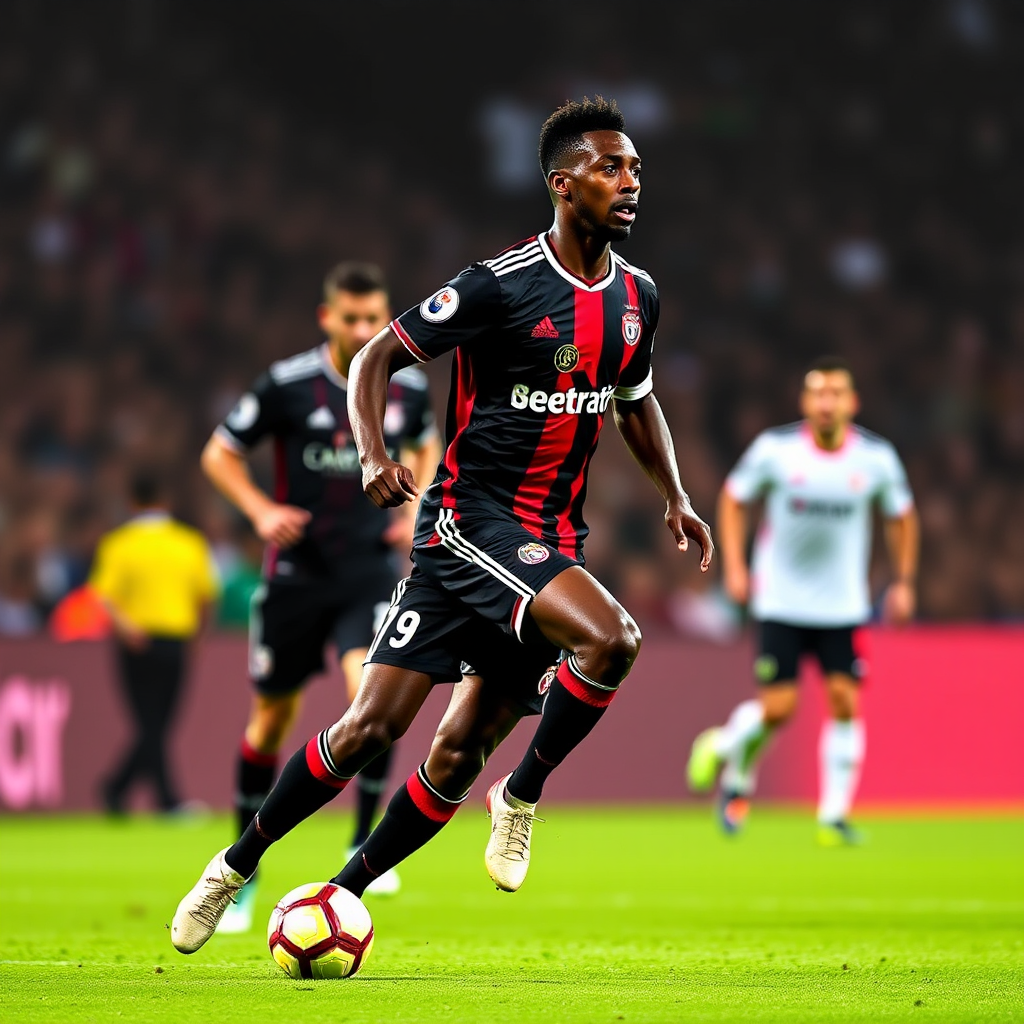
Frequently Asked Questions
How quickly can tactical adjustments impact match results?
Visible improvements typically emerge within four to six competitive fixtures once players internalize new positional responsibilities. Early matches often show transitional friction before cohesive execution stabilizes.
Where should supporters verify injury and suspension updates?
Official club channels and licensed sports reporters attending daily press briefings provide the most accurate timeline information. Avoid relying on unofficial forums for medical clearance status.
What factors most influence set-piece effectiveness this season?
Repetition quality, receiver timing, and defensive marking coordination directly determine success rates. Coaching staff emphasizes randomized delivery patterns to prevent predictability.
Can rotation policies affect weekend performance consistency?
Strategic rotation preserves physical readiness but requires rapid tactical assimilation from incoming players. Consistency improves once shared understanding develops across rotating units.